

The interplay between rigid character structure and conditional love reveals profound dynamics that underlie emotional suppression, fear of vulnerability, and the formation of persistent body armor. Rooted in the theories of Wilhelm Reich and Alexander Lowen, these concepts illuminate how early relational wounds—particularly the oedipal wound—inculcate a protective, often perfectionistic façade in the high-achieving, emotionally guarded individual. The manifestations of this rigid stance, most recognizable in archetypes such as the Achiever, the Perfectionist, or the Obsessional, reflect a somatic and psychological defense that both enables survival and simultaneously constrains authentic self-expression and connection.
This article explores the intricate layers of rigid character structure and conditional love through the prism of bioenergetic analysis and somatic psychotherapy, offering psychotherapists, psychology students, people in therapy, and self-aware adults a comprehensive understanding of how these elements coalesce and how they may be addressed effectively in clinical and personal settings.
Understanding Rigid Character Structure: Roots and Manifestations
Defining Rigid Character Structure in Bioenergetic Terms
Rigid character structure refers to a persistent pattern of muscular body tension and psychological defense, born from early developmental trauma and emotionally conditional caregiving. Drawing upon Reichian characterology, the body develops characteristic character armor—tense, constricted musculature that becomes a somatic fortress guarding against overwhelming feelings. This armor inhibits free flow of energy and vital expression, resulting in a constricted and guarded emotional state.
In bioenergetic therapy, these tension patterns and posture are not incidental but a map to unresolved emotional conflicts and self-limiting beliefs. The rigidity often manifests as a tight, constricted thorax or clenched jaw, reflecting suppressed longing for connection or love. This pattern is adaptive initially, designed to shield the individual but becomes maladaptive when it ossifies into a comprehensive way of being.
How Perfectionism Protects Against Vulnerability
The Achiever and Perfectionist exemplify how rigid character structures translate into psychological patterns that serve as shields against vulnerability. The internalized demand to achieve and perform perfectly is not merely ambition; it is a defense against the intolerable experience of conditional love—the sense that worthiness is contingent upon meeting external standards rather than inherent value.
This perfectionism emerges from early relationships where love was linked to obedience, success, or emotional self-containment. The child learns to numb their authentic feelings and desires, replacing spontaneity with controlled, "acceptable" behavior. Through this control, the individual seeks to preempt rejection or abandonment; ironically, this perfectionistic armor paradoxically evokes emotional isolation, reinforcing fear and reactivity.
The Five Character Structures and Rigid Patterns
Wilhelm Reich’s five character structures—schizoid, oral, psychopathic, masochistic, and rigid—offer a framework for understanding typical defensive postures. The rigid character is characterized by tight, inflexible musculature, an upright and tense body stance, and intellectualized emotional suppression. This contrasts with other structures by its emphasis on control, moral rectitude, and resistance to affective vulnerability.
Lowen’s bioenergetics complements this by demonstrating how these physical states correlate with blocked energy in the caverns of the chest and hips, restricting spontaneous erotic and emotional expression. The adult afflicted with rigid structure often appears stoic, driven, yet disconnected from the depth of their own emotional life—a body encased in armor, helplessly maintaining the fragile illusion of control.
The Role of Conditional Love in the Formation of Rigid Character Armor
What is Conditional Love and How Does It Shape Character?
Conditional love establishes the context in which rigid character armor is forged. Unlike unconditional caregiving, conditional love implies that affection and acceptance must be earned by meeting specific criteria, such as compliance, achievement, or emotional restraint. Such attachments foster an ongoing internal dialogue of inadequacy and self-judgment.
Early experiences of conditional love, especially during the oedipal phase, deepen these internal conflicts. In this critical developmental window, the child’s emerging sexual and emotional identity negotiates familial and societal expectations. When love becomes contingent on behaving "right," the child suppresses vital impulses and emotions, catalyzing the development of rigid muscular and psychological defenses.
The Oedipal Wound and Emotional Suppression
The oedipal wound reflects unresolved conflicts around love, authority, and desire during the psychosexual phase of development. Failure to resolve these conflicts leaves imprints in both psyche and soma, especially in the rigid body structure. The child experiences a divided self—yearning for closeness yet fearing the vulnerability that comes with it. The body responds by hardening, especially around the chest and jaw, where tensions represent the “no” to emotional surrender.
This repression manifests as chronic emotional suppression. The afflicted individual may show impressive self-command in professional or social realms but remains alienated from their underlying feelings, particularly vulnerability and longing. This often surfaces as anxiety, perfectionism, or chronic tension disorders, and can sabotage intimate relationships, which demand openness and emotional risk.
Somatic Signatures of Conditional Love in Body Armor
Conditional love leaves visible traces in the somatic landscape. The body armor shaped by early relational experiences manifests as muscular contractions that restrict natural breathing and limit expressive capacity. Sternum rigidity, restricted pelvis, and clenched fists become the physical manifestations of an internalized "you must earn your place" narrative.
In therapy, recognizing these somatic signatures allows one to begin deconstructing the protective armor formed around deep emotional pain. Bioenergetic and somatic therapies, through breath work, movement, and touch, access these frozen energy blocks to restore flow, thus softening the rigid character and coaxing the individual toward authentic self-acceptance and intimacy.
Connecting Theory to Lived Experience: The Psychology of High-Achieving, Guarded Individuals
The Achiever and the Fear of Vulnerability
Many high-achieving individuals exhibit symptoms congruent with rigid character structure shaped by conditional love dynamics. They often approach relationships and challenges with an ingrained suspicion that emotional openness equates to weakness, a belief encoded in their early attachment patterns.
Underneath surface confidence lies an acute sensitivity to rejection and abandonment. These individuals compensate by ramping up effort, control, and perfectionism. The paradox is that while success offers short-term relief from insecurity, it also entrenches rigidity that limits genuine connection and emotional growth, causing cycles of burnout, isolation, and internal fragmentation.
Practical Indicators of Rigid Character in Therapy
Therapists working with rigid characters often encounter clients who intellectualize feelings, avoid bodily sensations, and present a facade of control. Physical complaints like chronic neck or back tension can mark somatic defenses, while emotional guardedness becomes evident in verbal patterns—deflecting, minimizing, or rationalizing internal states.
Recognizing these patterns enables clinicians to tailor interventions that honor the client’s need for safety while encouraging incremental contact with vulnerable somatic experiences. This work may include guided breath awareness, grounding exercises, and gradual emotional disclosure, thereby facilitating the dissolution of armor and reconnection to authentic feeling states.
How Bioenergetic Therapy Softens Rigidity and Restores Vitality
Bioenergetic therapy offers experiential tools to counteract the effects of rigid character armor. Through specific exercises—such as breath expansion, expressive movement, grounding, and vocalization—clients learn to release chronic muscular tension, rediscover natural body rhythms, and reclaim a vitality blocked by defensive constriction.
This body-centered approach bypasses cognitive defenses, accessing unconscious somatic memories and emotions stored in tissue. As energy flow is restored, clients often report enhanced emotional resilience, greater self-compassion, and increased capacity for interpersonal intimacy—advantages crucial for overcoming the internalized legacy of conditional love.
Challenges and Opportunities in Healing Rigid Structures and Conditions of Love
Emotional Armor: Pain, Resistance, and the Path Forward
While the dissolution of rigid character armor is often a therapeutic goal, it is important to acknowledge the inherent pain and resistance embedded in this process. Armor protects from perceived threats; its removal can expose raw emotional pain and uncertainty. The challenge lies in navigating this vulnerability with compassion and patience, ensuring that the therapeutic container provides a secure environment for gradual exploration.
Clients must move beyond intellectual insights into somatic experience, cultivating tolerance for discomfort, ambivalence, and the unknown. This deep work reframes vulnerability not as weakness but as strength and resource for authentic living, shifting old identities rooted in conditional acceptance toward embodied freedom.
The Role of the Therapeutic Relationship in Healing Conditional Love
Healing from the wounds of conditional love requires a reparative interpersonal context where unconditional acceptance is modeled and experienced. The therapeutic alliance itself becomes a lived experience of love and safety, countering the internalized messages of conditional acceptance.
Clinicians who incorporate somatic presence, attuned listening, and nonjudgmental acceptance create a healing relational space that encourages clients to explore and ultimately disarm their protective rigidities. Consistent with Reichian and Lowenian principles, therapy aims not only at cognitive understanding but direct bodily experience of safety and connection.
Integrative Approaches for Addressing Rigid Character and Conditional Love
Integrating bioenergetic analysis, Reichian bodywork, and depth psychology provides a robust framework for addressing the multilayered complexities of rigid character structure formed through conditional love. Techniques such as grounding, breath work, and expressive movement can be combined with reflective dialogue and trauma-informed care to support holistic healing.
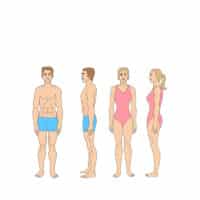
Mindfulness practices and somatic tracking enable clients to observe and tolerate their bodily sensations connected to emotional experiences, while psychoeducation around the oedipal complex and character structures enhances cognitive integration. Such integration fosters not only symptom relief but coherent selfhood replete with emotional presence and relational openness.
Summary and Actionable Next Steps for Healing Rigid Character Structure and Conditional Love
Rupturing the cycle of rigid character structure and conditional love demands a nuanced understanding of their origins, somatic manifestations, and psychological consequences. This article has traced the imprint of early conditional attachments onto the bodymind, elucidating how rigid muscular armor not only protects but simultaneously impoverishes emotional life and interpersonal vitality.
Next steps involve cultivating somatic awareness through practices rooted in bioenergetic and Reichian therapy, seeking psychotherapeutic environments that model unconditional acceptance, and embracing vulnerability as a pathway to authentic being. For clinicians and individuals alike, the journey begins in recognizing that beneath the rigid facade lies a yearning for connection and love that, when accessed, can rejuvenate both body and soul.